Home Workers Must Be Protected Like Any Other Employee
With remote and hybrid working now firmly embedded across the UK workforce, employers are being reminded that health and safety responsibilities apply just as much at home as they do in the office.
According to the Health and Safety Executive (HSE), businesses must ensure that staff working remotely are properly protected, with the same legal duties applying regardless of where employees are based.
The reminder comes as new figures from the Office for National Statistics show that 38% of workers in Great Britain were working remotely or in a hybrid arrangement in January 2026. Of these, 25% split their time between home and the workplace, while 13% worked fully remotely.
As flexible working continues to expand across industries, the HSE is urging organisations to assess and manage the risks faced by employees working from home, just as they would for office-based teams.
Key risk areas for remote workers
The regulator has highlighted three key areas that employers should prioritise when managing home-working arrangements: Stress and mental health, display screen equipment (DSE) such as laptops, monitors and workstations, and the working environment - including accident risks, emergencies and lone working.
Employers are required to consider these factors as part of their legal duty to protect staff under the Health and Safety at Work etc. Act 1974.
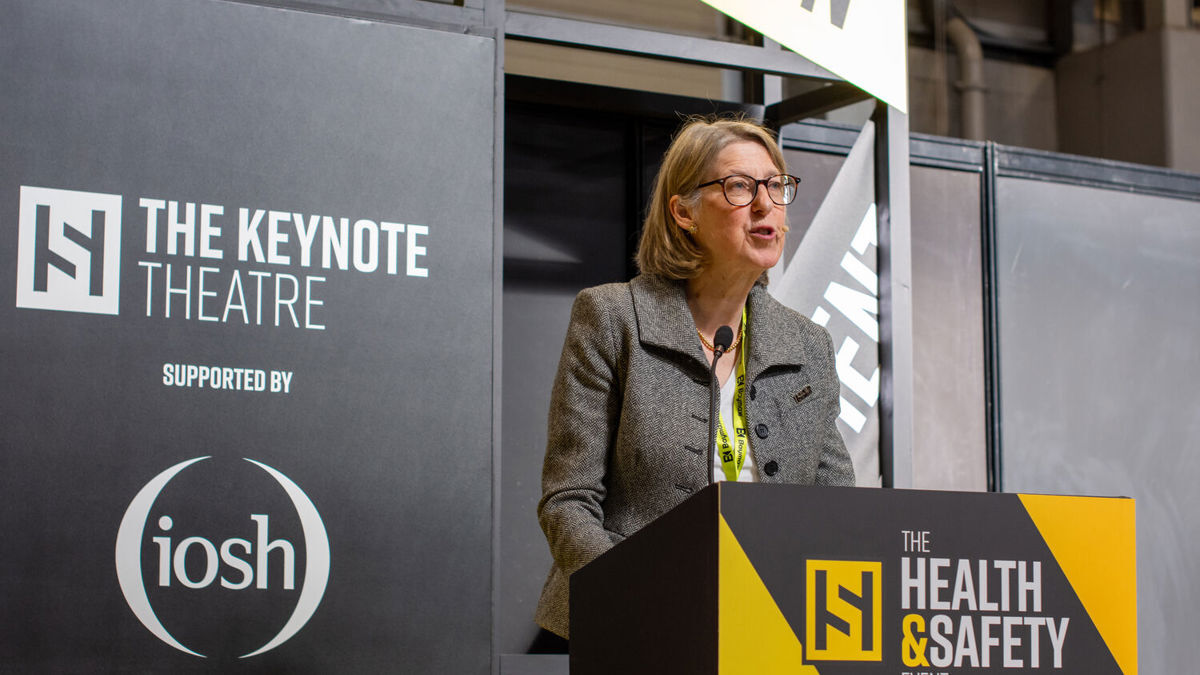
Barbara Hockey, from the HSE’s Engagement and Policy Division, said that while home working can bring clear benefits, organisations must ensure responsibilities are not overlooked.
She explained that with more than three in ten people now working remotely or in hybrid roles, it is vital that employers understand how their duties extend beyond traditional workplaces.
Managing risk without visiting employees’ homes
One common misconception is that employers must physically visit an employee’s home to carry out a risk assessment. In most cases, however, this is not necessary.
According to the HSE, the majority of home-working risks are relatively low and can be managed through simple conversations, clear guidance and regular contact with staff.
Managers are encouraged to check in frequently with their teams to discuss workloads, training needs and wellbeing, as well as ensuring employees are not routinely working outside their normal hours.
Employers should also encourage workers to carry out simple visual checks of their working environment. This can include ensuring equipment is safe and undamaged, workspaces are free from trailing cables or hazards, and that employees understand what to do in the event of an emergency.
Practical support available for employers
To help organisations meet their responsibilities, the HSE provides free guidance and practical resources for conducting home-working risk assessments and supporting remote teams.
As flexible working continues to evolve, the regulator emphasises that protecting employees should remain a priority regardless of where work takes place.
Businesses can access further guidance and resources on managing home-working risks through the HSE website.
Register here to attend The Health and Safety Event 2026: Get Access